
"6000 tons"
400 article(s) found
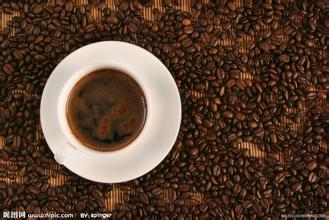
Introduction to Yinshan Manor in the flavor producing area of Blue Mountain Coffee Manor in Jamaica
(Portland) and St. Thomas (StThomas) producing areas. In eight years, Jamaica exported more than 375 tons of pure coffee. In 1932, coffee production reached its peak and more than 15000 tons of coffee was harvested. But by 1948, the quality of coffee had declined and Canadian buyers refused to renew their contracts, so the Jamaican government set up a coffee industry committee to save top coffee.

Jamaica Coffee Estate Introduction Cliff Estate Jamaica Coffee Bean
The coffee industry in Jamaica faces a number of problems, such as the effects of hurricanes, increased labor costs and difficulties in mechanizing terraces. Many small estates and farms are difficult to rationalize. Blue Mountain Coffee, however, is one of those coffee retailers that value credibility and want to stock some coffee anyway. A leading British retailer says he's ready to sell whatever the price.

Introduction to the characteristics of roasting degree of Coffee Grinding treatment in Cliff Manor, Jamaica
Some small estates also grow Blue Mountain Coffee, such as Wallenford Estate, Silver Hill Estate and Atlanta Estate in J.Martinez. Even the largest landowners in the area are small-scale plantations by international standards, many of which are small lands.

Introduction to St. Andrew, one of the three major producing areas of Blue Mountain Coffee in Jamaica
To this day, St. Andrews is still one of the three major producers of Jamaican Blue Mountain Coffee, with the other two producing areas: Portland (Portland) and St. Thomas (St.Thomas). In eight years, Jamaica exported more than 375 tons of pure coffee. In 1932, coffee production reached its peak and more than 15000 tons of coffee was harvested. The Government of Jamaica was established in 1950

History and geographical location of Jamaican Blue Mountain Coffee
In 1717, King Louis XV of France ordered the cultivation of coffee in Jamaica. In the middle of the 20th century, the Governor of Jamaica, Sir Nicholas Nicholas Lawes, imported Arabica seeds from Martinique and began to plant them in St. Andrew. To this day, St. Andrew

Fruit-rich Jamaican Coffee Manor Atlanta Manor Flavor
Before 2008, the Japanese continued to invest heavily in the entire industry chain of Jamaican Blue Mountain Coffee and promised to underwrite 90% of its annual production. As a result, there is only a quota of 10% left in other countries in the world, resulting in a trend that supply has been falling short of demand, and the price has risen with the unique growth conditions, giving birth to the unique flavor of Blue Mountain Coffee.

Jamaica Fine Blue Mountain Coffee Flavor Taste Manor Features Jamaica Fine Coffee Bean
Today's reality is often inconsistent. In 1725 Sir Nicholas Lawes brought the first Blue Mountain coffee seeds from Martinique to Jamaica and planted them in St Andrew. Today, St. Andrew's is still one of the top three growing regions for Blue Mountain coffee, the other two being Portland.
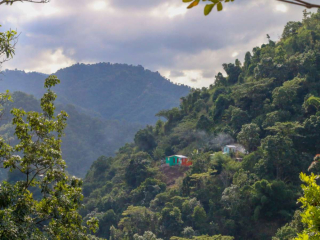
Introduction to the characteristics and taste of coffee beans in St. Thomas, the origin of Jamaican Blue Mountain Coffee
One of the three major producing areas of Jamaican Blue Mountain Coffee, the other two producing areas are Portland (Portland) and St. Thomas (St.Thomas). In eight years, Jamaica exported more than 375 tons of pure coffee. In 1932, coffee production peaked and coffee was harvested.

The characteristics of pure Jamaican coffee the introduction of the Fine Coffee beans Blue Mountain Coffee Flavor Manor
By 1981, about 1500 hectares of land in Jamaica had been reclaimed for coffee cultivation, followed by investment in another 6000 hectares of coffee land. In fact, today's Blue Mountain area is a small area with a planting area of only 6000 hectares, and not all coffee marked with the words Blue Mountain can be grown there. Another 12000 hectares of land is used to grow the other two types of coffee (

Taste of Jamaican Coffee Fine Coffee is introduced in the manor area.
In 1717, King Louis XV of France ordered the cultivation of coffee in Jamaica. In the middle of the 20th century, the Governor of Jamaica, Sir Nicholas Nicholas Lawes, imported Arabica seeds from Martinique and began to plant them in St. Andrew. To this day, St. Andrew

Description of coffee bean flavor in Clifton Manor introduction to the planting environment
Clifton Manor Coffee Bean Flavor describes the growing environment Blue Mountain Coffee is a coffee retailer that values credibility and keeps some coffee in stock no matter what. A leading British retailer said: regardless of the price, he will continue to sell Blue Mountain coffee all year round because he has many customers who only recognize Blue Mountain. Now, 90% of the post-harvest Blue Mountain coffee is made in Japan.

Jamaica Blue Mountain Coffee Flavor Aroma Features Blue Mountain Region Clifton Manor Introduction
In 1717 King Louis XV of France ordered coffee to be grown in Jamaica, and for twenty years Blue Mountain Coffee Blue Mountain Coffee (6 photos) Arabica seeds imported from Martinique by Sir Nicholas Lawes, Governor General of Jamaica, in the mid-19th century
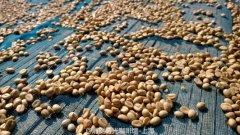
A brief introduction to the flavor, taste and aroma characteristics of Jamaican boutique coffee beans with unique flavor
Alpine Coffee (Jamaica High Mountain Supreme Coffee Beans) is called Alpine Coffee, which is produced below 666m in the Blue Mountain area of Jamaica, and is second only to Blue Mountain Coffee in quality. It is called a brother variety of Blue Mountain Coffee by industry insiders. Jamaica Blue Mountain caffeine produces very little, so if you want to taste Jamaican coffee, then buy teeth.
Introduction of Jamaican boutique coffee Blue Mountain Coffee introduction of manor flavor in Jamaican coffee producing area
Blue Mountain Coffee is one of those coffee retailers that value credibility to stock some coffee no matter what. A leading British retailer said: regardless of the price, he will continue to sell Blue Mountain coffee all year round because he has many customers who only recognize Blue Mountain. Now, 90% of the post-harvest Blue Mountain coffee is bought by the Japanese. In 1992, Jamaica sold 688 tons of Blue Mountain Cafe to Japan.

The Development Story of Tea auction House in Colombo, Sri Lanka what tea brands in Colombo are delicious but not expensive
Today, there are about 690 tea companies registered in Sri Lanka, only 8 approved tea brokerage companies and 450 export companies, of which 70,80 buyers are often active in auction houses. Colombo Tea auction House sells an average of 6000 tons of tea a week, even more than 8000 tons in the peak season of tea production. At the same time, 4000 to 5000 tons of tea are produced from tea every day.
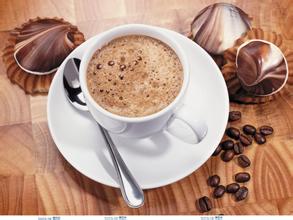
Geographical History of the Source of Blue Mountain Coffee
Blue Mountain Coffee is the most superior coffee in the world, and the weather, geological structure and topography of Jamaica provide an ideal place. The ridge that runs through Jamaica extends to the eastern part of the island, with the Blue Mountains rising to more than 2100 meters. Cool weather, foggy, frequent precipitation, use this rich soil Rain Water to reconcile. Here, the mixed planting method is used to plant coffee trees to make them mix with incense in terraces.

Jamaican Coffee Flavor introduces Jamaican Alpine Coffee-which brand of coffee is better
It is necessary to take a closer look at the myth of Blue Mountain Coffee, because the image of the past is often inconsistent with the reality of today. In 1725, Sir Sir Nicholas Lawes brought the first Blue Mountain Coffee species from Martinique to Jamaica and planted them in the St.Andrew area. Today, the producing area of St. Andrew is still Blue Mountain Coffee.

Unique flavor of Jamaican Blue Mountain Coffee the characteristics of the manor producing area introduce Jamaican boutique coffee
In 1717, King Louis XV of France ordered the cultivation of coffee in Jamaica. In the middle of the Blue Mountain Coffee era, the Governor of Jamaica, Sir Nicholas Nicholas Lawes, imported Arabica seeds from Martinique and began to plant them in St. Andrew. To this day, the St. Andrews area is still

Is it true that Jamaica Blue Mountain Coffee and Blue Mountain Coffee on the market?
Jamaican Blue Mountain Coffee, designated Jamaican Blue Mountain Coffee can only be grown in the Blue Mountain area, north-east of the island of Jamaica in Kingston. Coffee grows on a mountain with a maximum height of 1800 meters (almost 6000 feet), which is already quite high for small-grain coffee, and the mountains are very uneven and the process of harvesting is very difficult (almost entirely female).

Boutique coffee Jamaica Blue Mountain Coffee introduction Fine Coffee beans St. Thomas producing area Valenford Manor
In 1717, King Louis XV of France ordered the cultivation of coffee in Jamaica. In the middle of the 20th century, the Governor of Jamaica, Sir Nicholas Nicholas Lawes, imported Arabica seeds from Martinique and began to plant them in St. Andrew. To this day, St. Andrew